Shop
Shop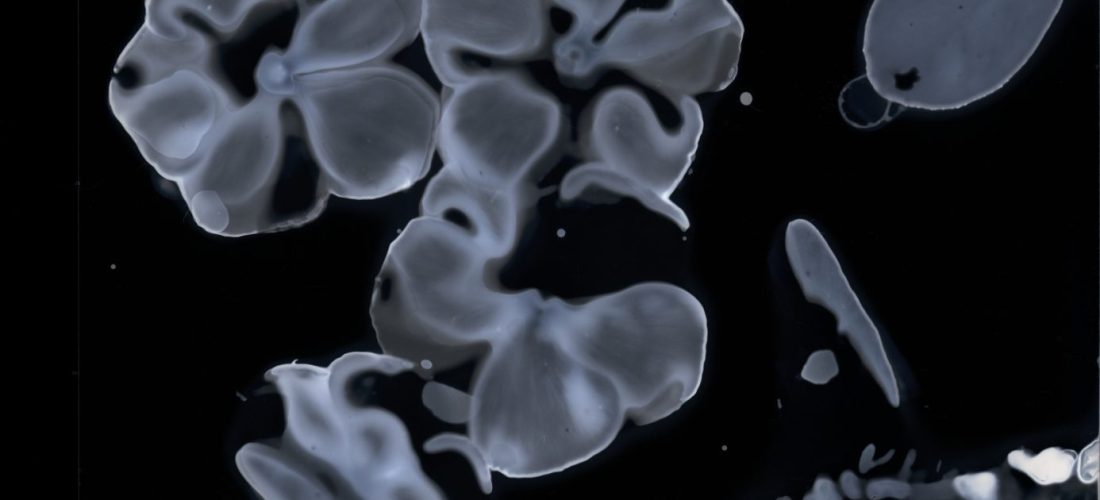
This workshop introduces participants to phytograms, a technique that uses plants to create chemical reactions directly on 16mm film. By working with the natural properties of plants, participants explore an alternative approach to analog filmmaking that avoids toxic chemicals typically associated with film development.
The session includes a hands-on component in which attendees collectively create a short 16mm film, followed by a live projection on a 16mm projector to view the results together.
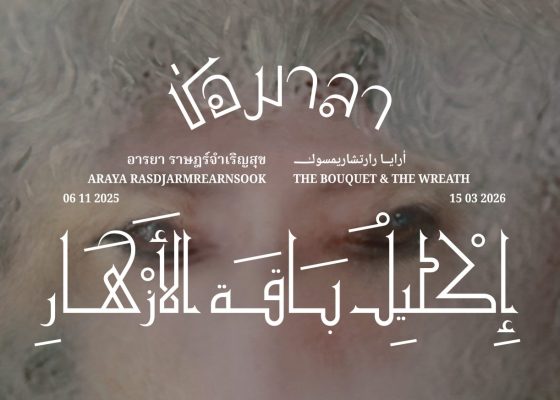
The workshop is presented alongside The Bouquet and the Wreath, a survey exhibition of artist Araya Rasdjarmrearnsook. While approaching plants from different perspectives, both the workshop and the exhibition engage with the ways organic materials carry meaning, memory, and transformation. Araya’s repeated use of flowers—as symbols that move between celebration and mourning—echoes the workshop’s focus on plants as active agents in image-making. By examining the internal chemistry of plants and their direct imprint on film emulsion, the workshop extends the exhibition’s attention to how natural materials register human experience, whether through gestures of care, ritual, or documentation.
This workshop forms part of our enriching art programme for adults, fostering deep engagement through hands-on experiences that challenge and inspire. No prior experience in film or photography is necessary. Participants may bring their own plants to work with, and all materials are provided.
This is a paid workshop and is suitable for individuals aged 15+. Limited spots available. Book now to secure your place!
About Mivan Makia:
Mivan Makia is a filmmaker, visual artist, and researcher. Interested in self-portraiture and West Asian cultural expression, her practice moves fluidly between disciplines—drawing from anthropology, archival research, and experimental image-making—to delve into the fluctuating perspectives of transient bodies. Often working with collected earth matter and archives, she treats these materials not as fixed records but as living sources open to remediation, reconstruction, intervention, and participation. Her work explores the relationship between these bodies and the landscape through memory work, geopolitical narratives, and speculative fiction.
SEE ALL EVENTS